
Start here
NHSFirst aid
First aid basics after an accident
A clear guide to checking for danger, calling for help, assessing breathing, dealing with bleeding and supporting someone until professionals arrive.
Read the guidancePractical emergency and first-aid guidance from reputable public health sources. For urgent symptoms, call emergency services immediately.
A clear guide to checking for danger, calling for help, assessing breathing, dealing with bleeding and supporting someone until professionals arrive.
Read the guidanceThese links open trusted third-party resources for public information. They do not replace an assessment by a qualified healthcare professional.

Learn common heart attack symptoms, including chest discomfort, shortness of breath, nausea, sweating and pain in the jaw, arm or back.
Visit source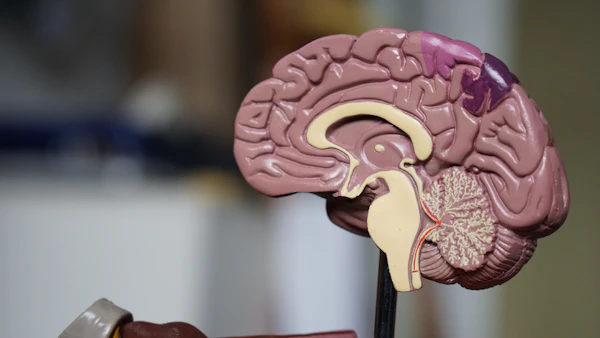
Recognise face drooping, arm weakness and speech difficulty so emergency treatment can start as early as possible.
Visit source
A short public guide to chest compressions and what to do when someone collapses and is not breathing normally.
Visit source
Understand anaphylaxis symptoms such as swelling, wheezing, rash, faintness and why rapid emergency care matters.
Visit source
Read what to do immediately after a burn, when to cool the area and when a burn needs urgent medical attention.
Visit source
Find national emergency service information and public guidance for accessing urgent assistance in South Africa.
Visit sourceIf someone has severe chest pain, trouble breathing, stroke symptoms, uncontrolled bleeding, major trauma, a seizure that does not stop, or is unconscious, call emergency help right away.
Emergency teams can guide you by phone while help is on the way. Do not wait for symptoms to become severe.
Give the exact location, what happened, the person's age if known and whether they are breathing or conscious.
Check traffic, electricity, fire, violence or other hazards before approaching. Your safety matters too.
If a dispatcher or medical professional gives instructions, follow them until emergency care arrives.